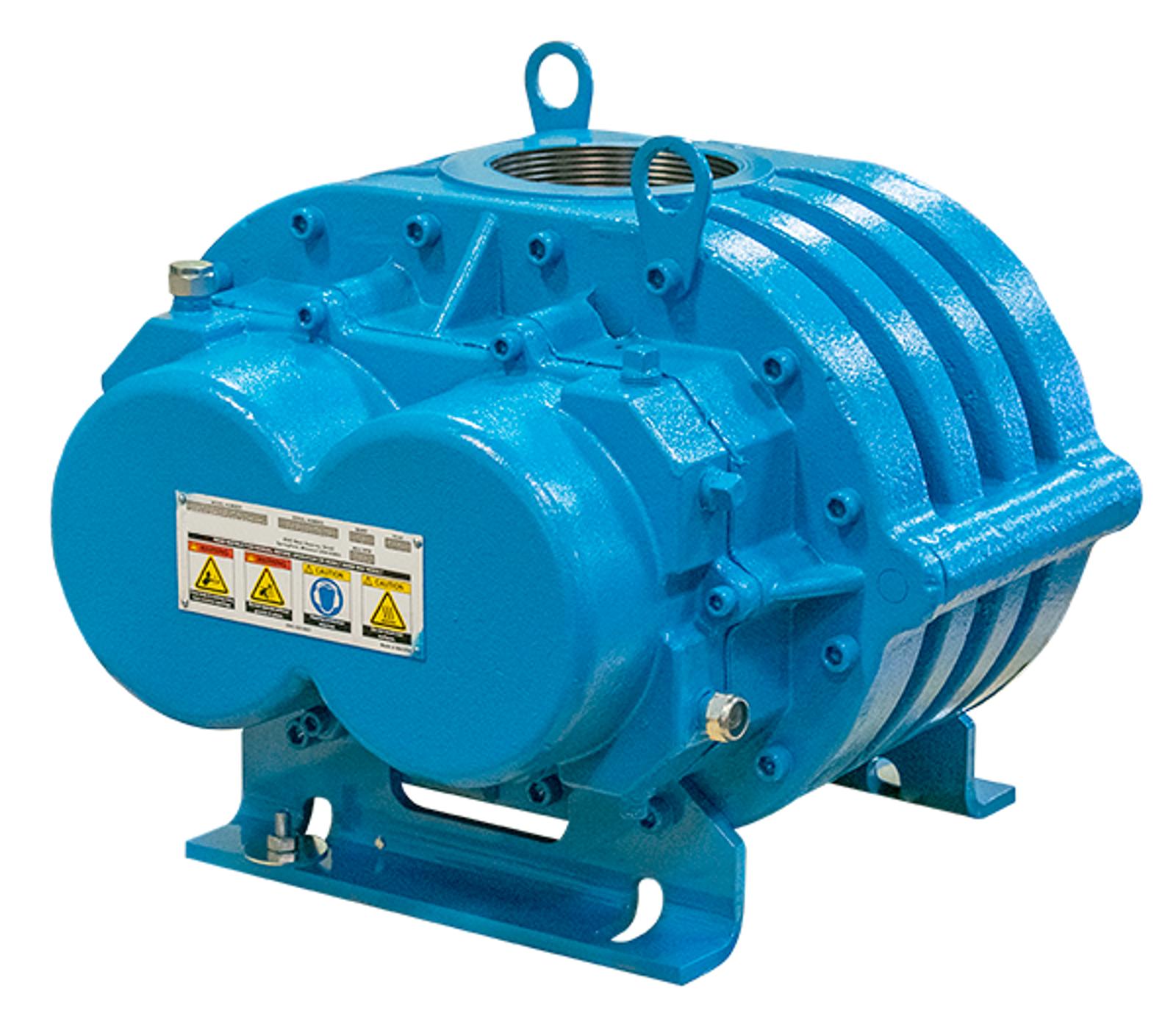
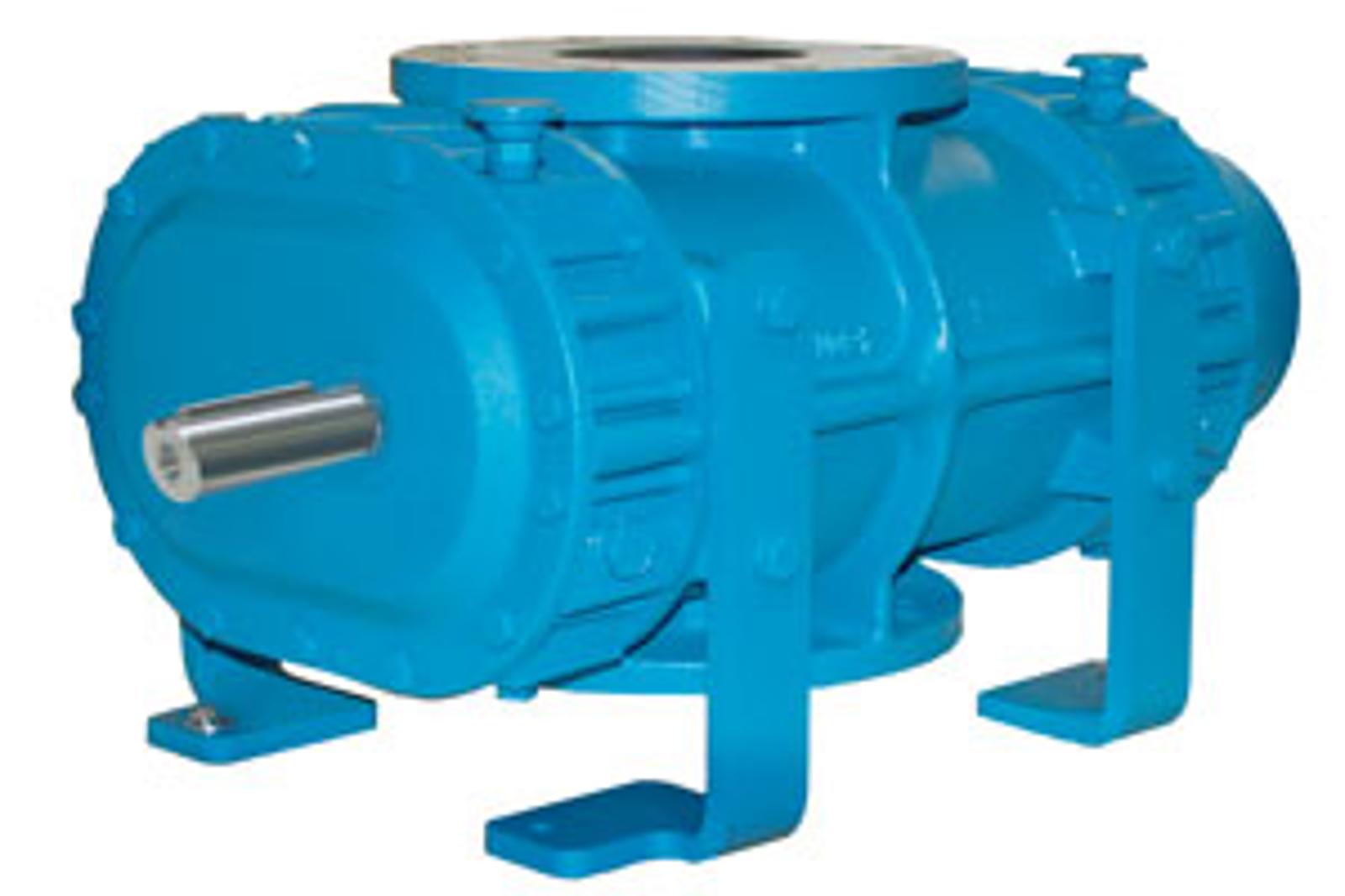
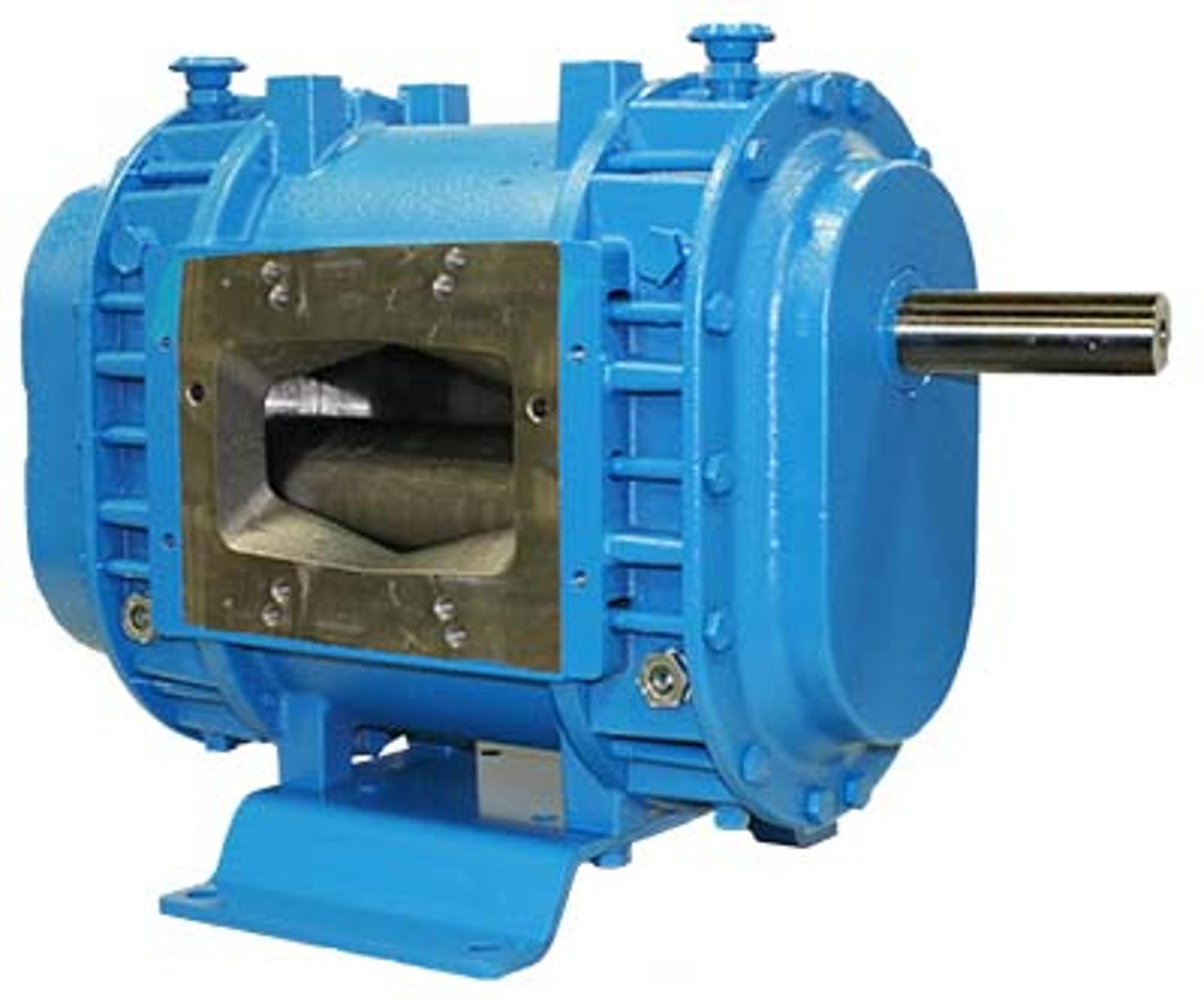
The PD Plus Series is a long-established line of premium, high-pressure industrial rotary blowers with heavy-duty models ranging from 3.25" to 12" gear diameter and 2.5" to 48" rotor length. The PD Plus Series is renowned for its quality, dependability, and outstanding performance.
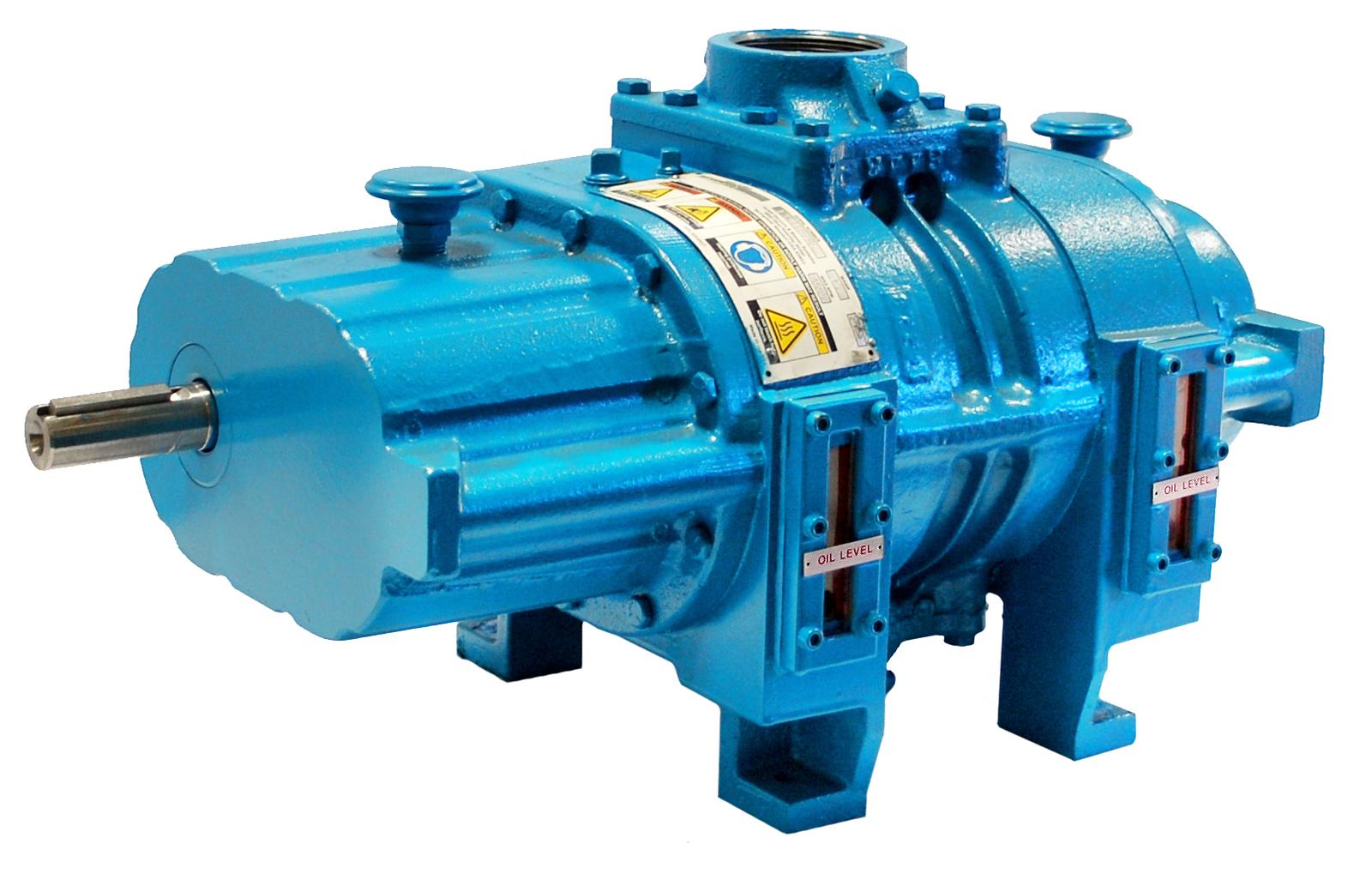
PD Plus Blowers 3200
Up to 18 PSIG (1.24 bar g) pressure boost or 17” Hg (-575 mbar g) dry vacuum (24” Hg [-810 mbar g] water injected).
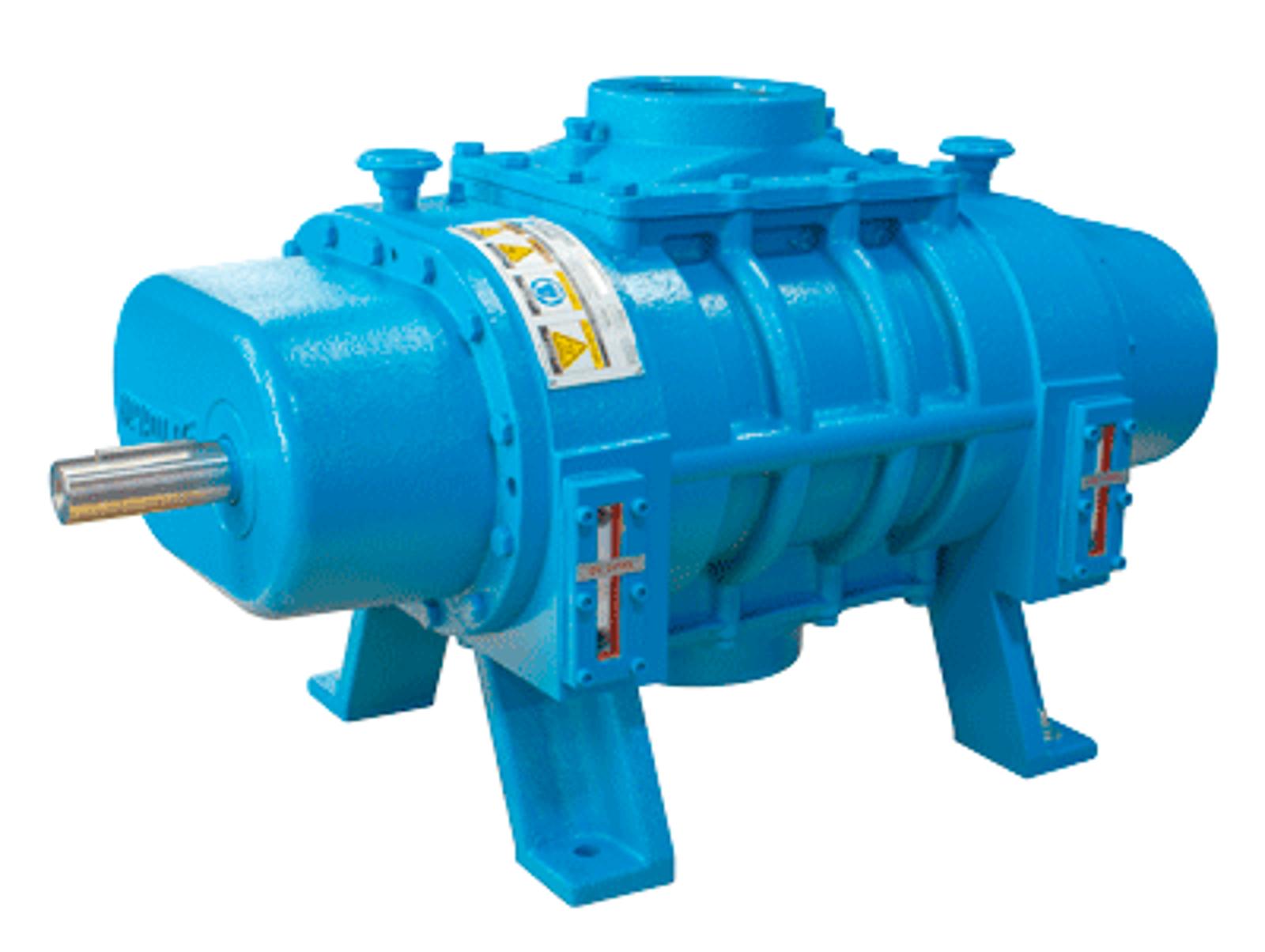
PD Plus Blowers 4000
Up to 18 PSIG (1.24 bar g) pressure boost or 17” Hg (-575 mbar g) dry vacuum (24” Hg [-810 mbar g] water injected).
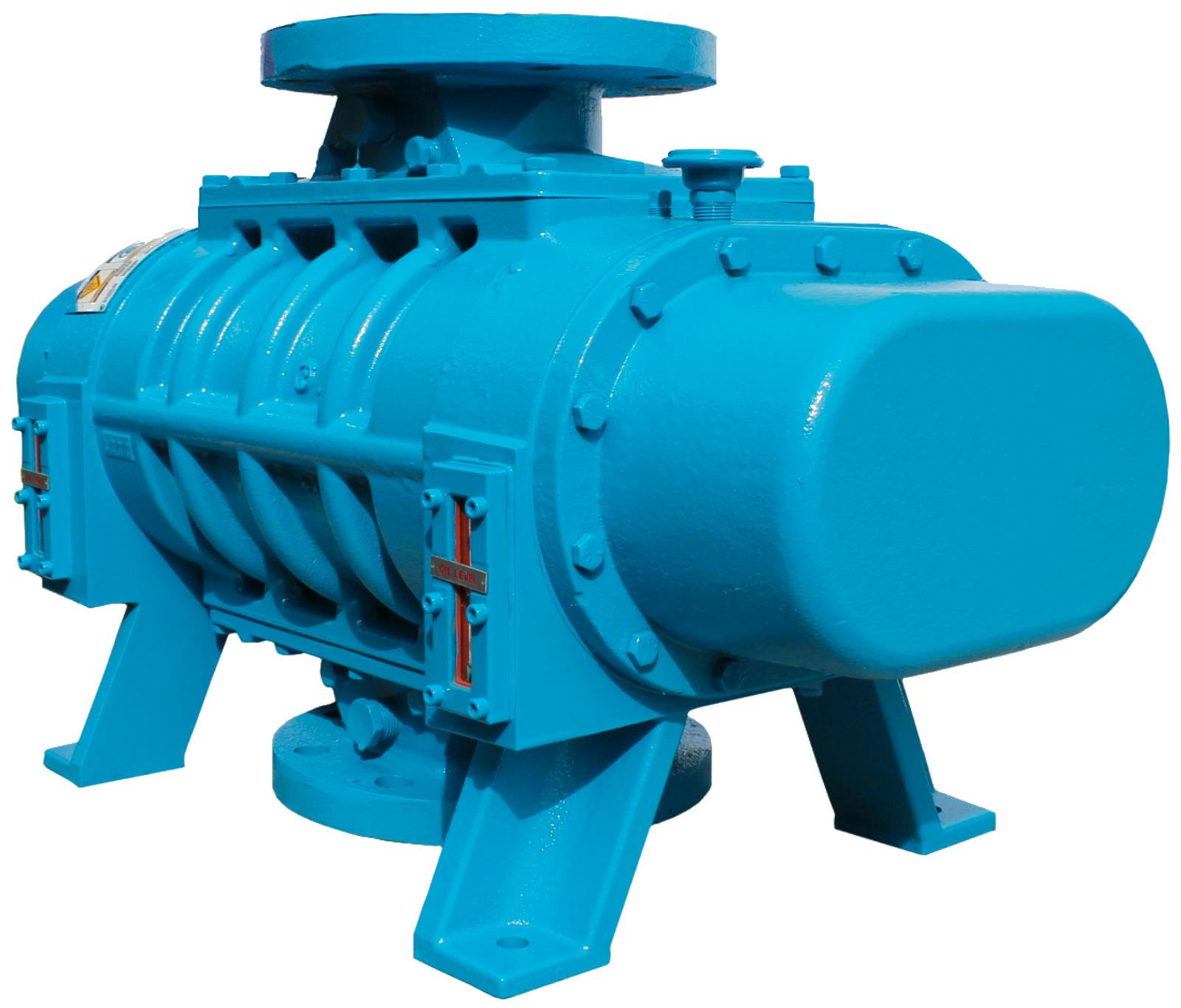
PD Plus Blower 5500
Up to 18 PSIG (1.24 bar g) pressure boost or 17” Hg (-575 mbar g) dry vacuum (24” Hg [-810 mbar g] water injected).
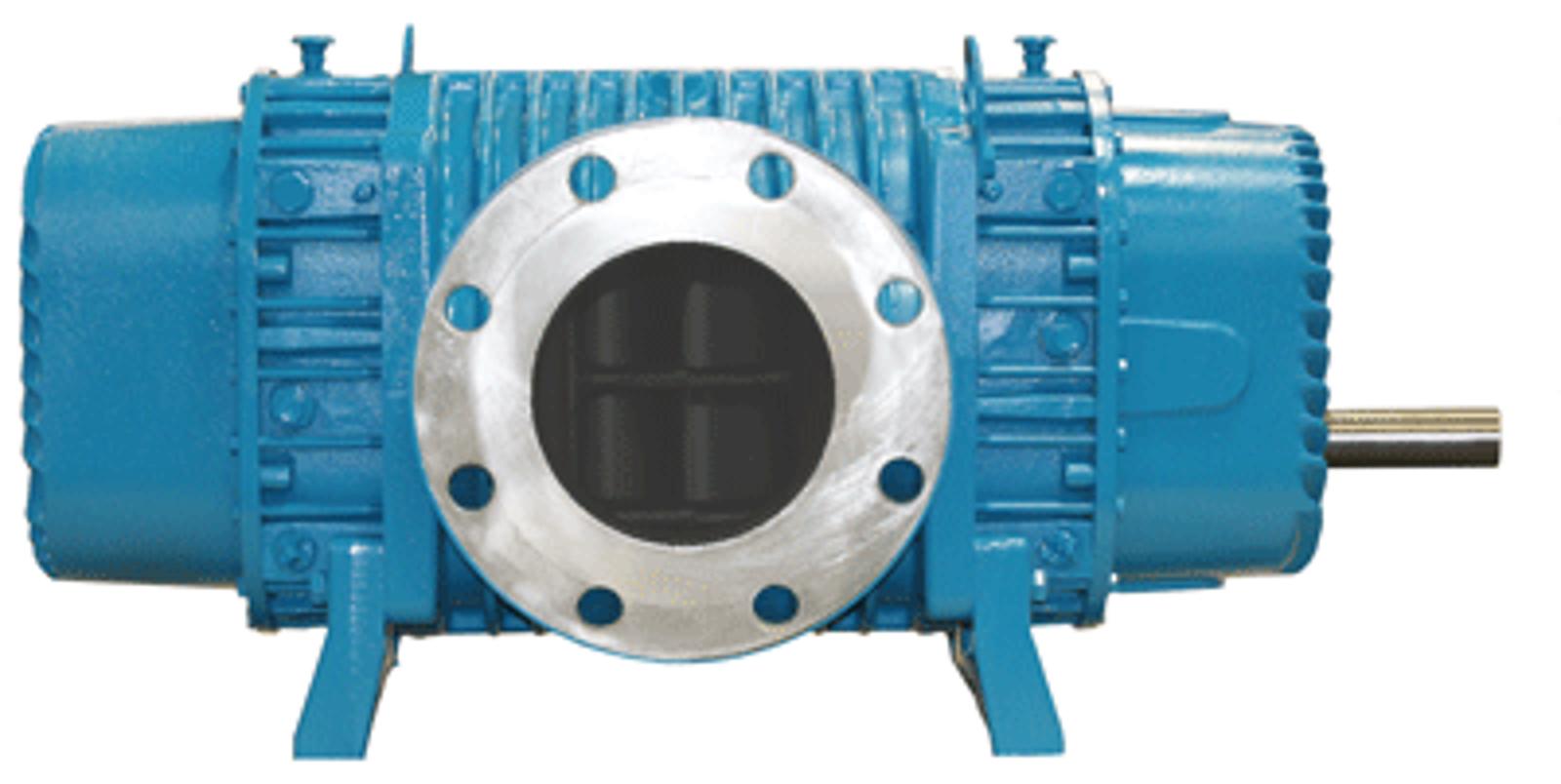
PD Plus Blower 7000
Up to 18 PSIG (1.24 bar g) pressure boost or 17” Hg (-575 mbar g) dry vacuum (24” Hg [-810 mbar g] water injected).
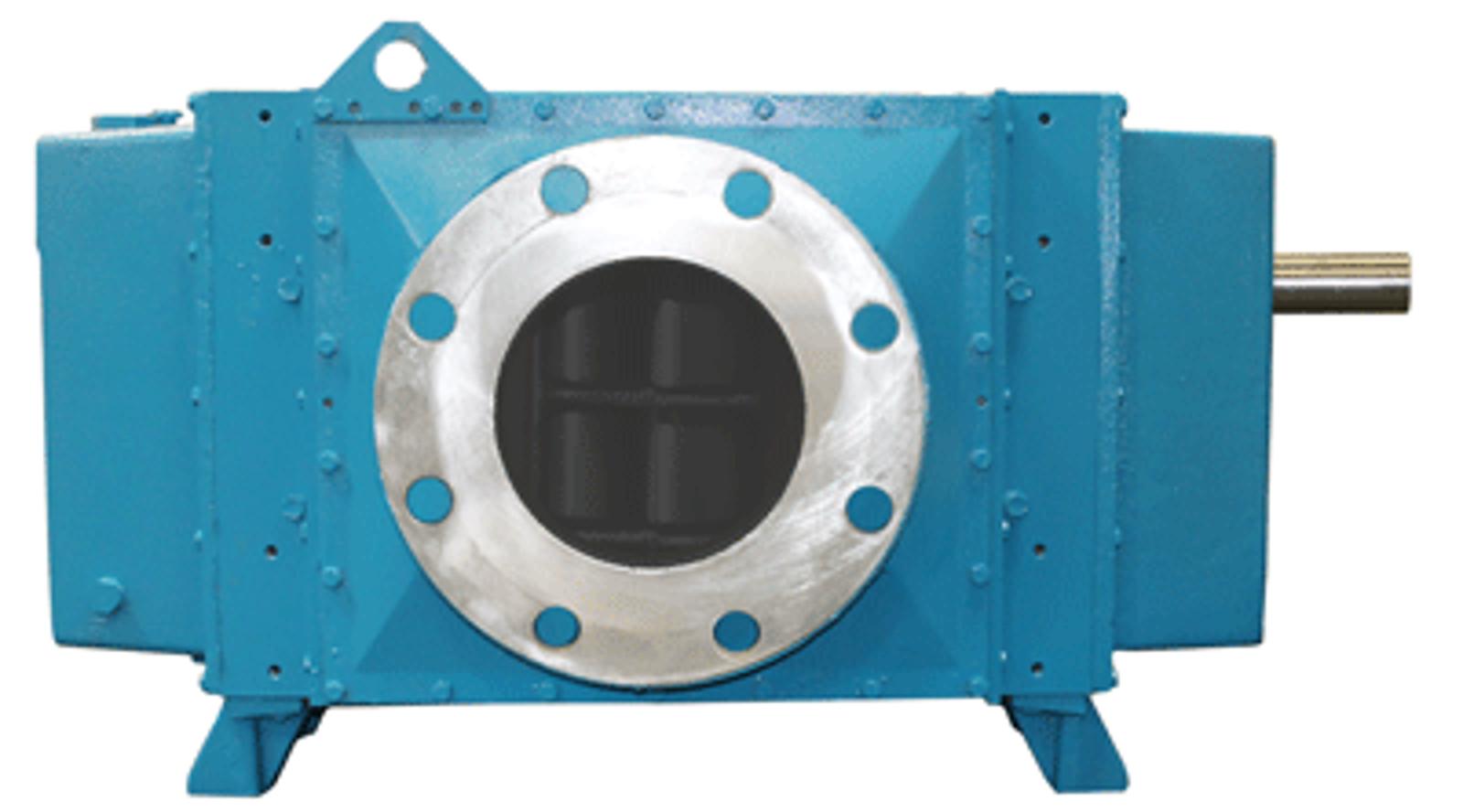
PD Plus Blower 9000
Up to 15 PSIG (1.03 bar g) pressure boost or 15” Hg (-500 mbar g) dry vacuum (24” Hg [-810 mbar g] water injected).
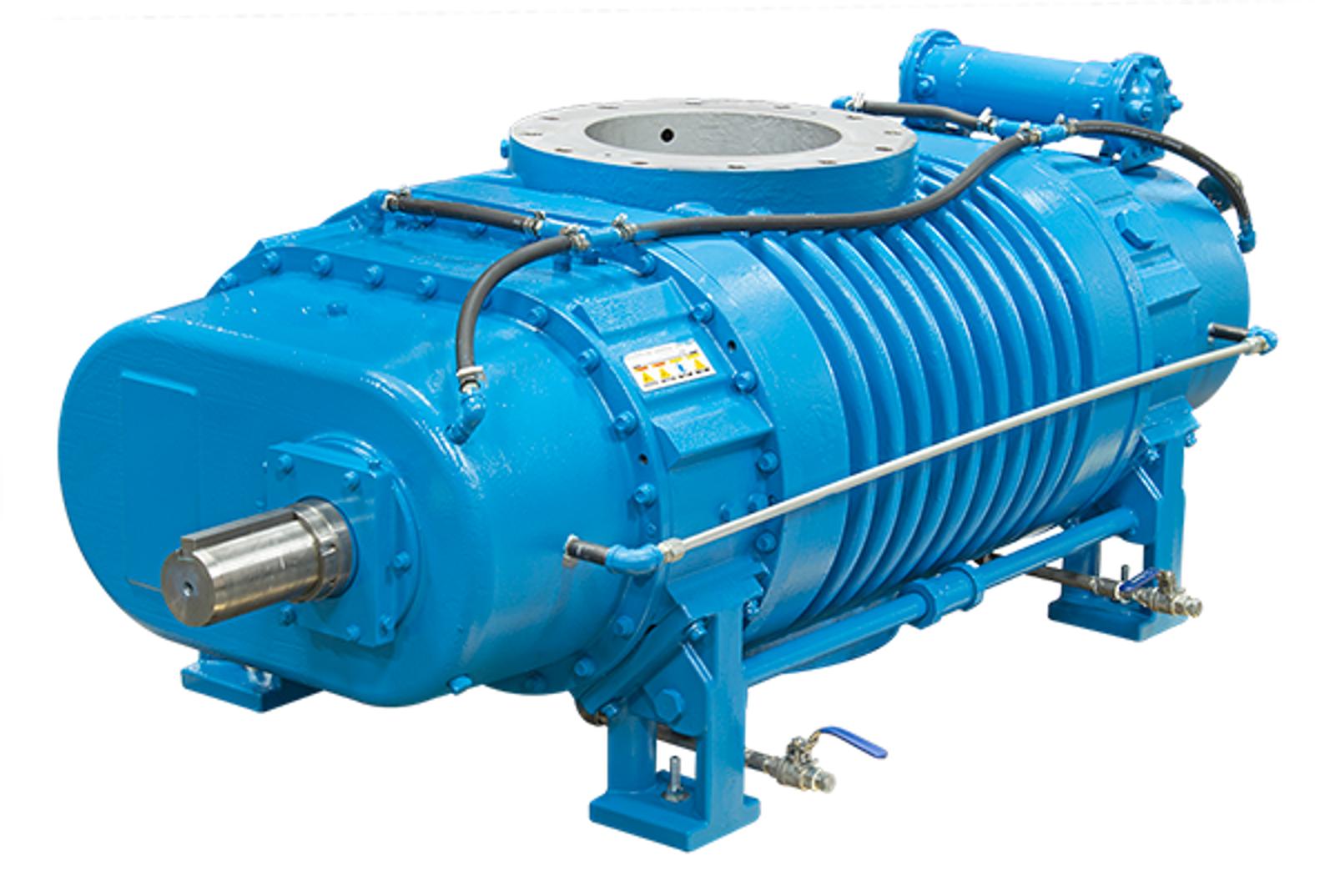
PD Plus Blower 1200
Up to 15 PSIG (1.03 bar g) pressure boost or 15” Hg (-500 mbar g) dry vacuum (24” Hg [-810 mbar g] water injected).
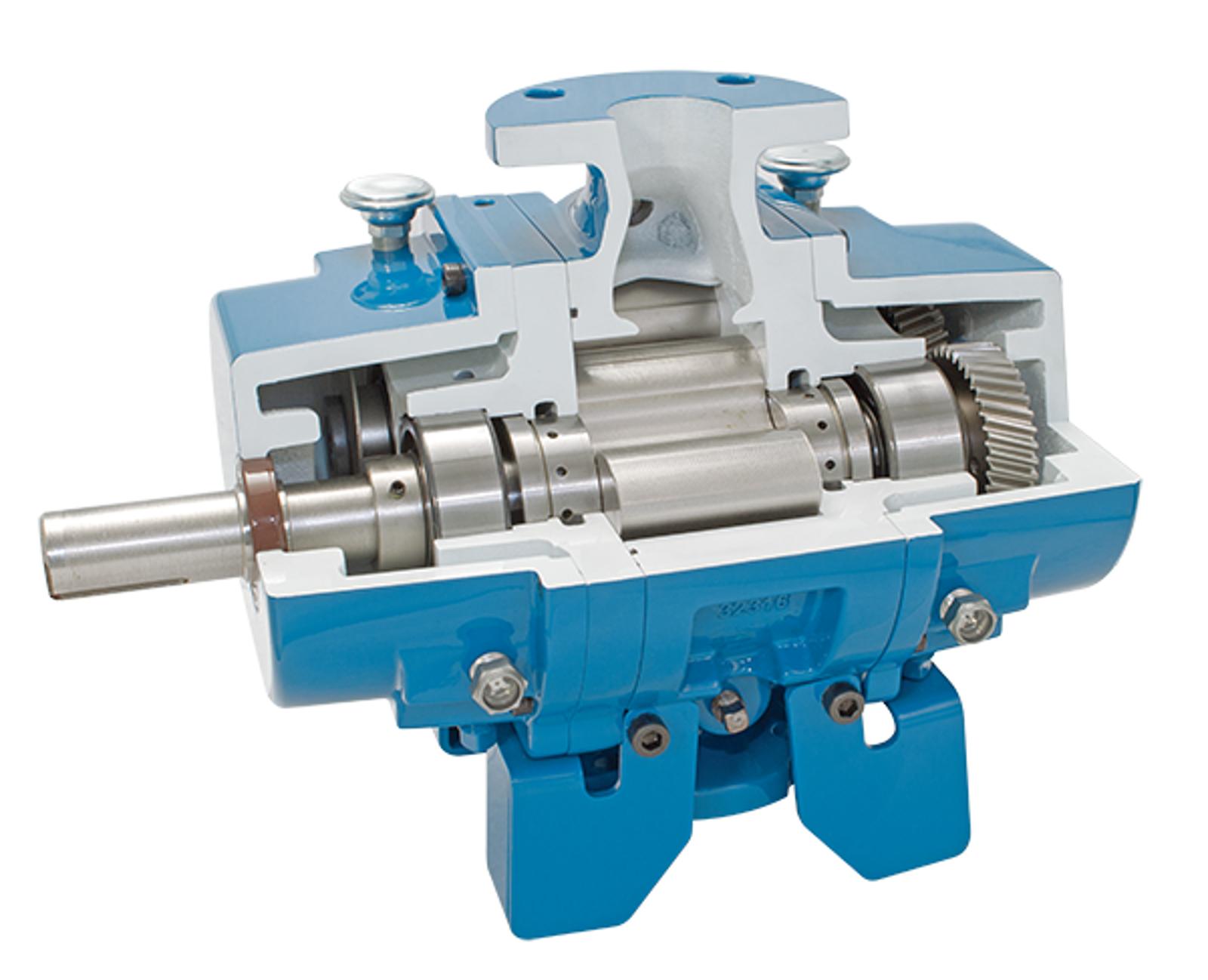
Outstanding Performance & Quality for Industrial Applications
M-D Pneumatics has been recognized industry-wide for our blower solutions. Positive displacement (PD) rotary blowers are an ideal choice where high-pressure, heavy-duty blower systems are required. We offer a flexible portfolio of positive displacement blower packages, each suited to boost productivity for your specific applications.
From Pneumatic Conveying to Process Gas Boosting to Dairy Milking, M-D Pneumatics has a blower solution for your application. PD Plus blowers are a heavy-duty, high-pressure industrial blowers and are renowned for their quality, dependability, and outstanding output. CP Series blowers are rated up to 18 PSIG and offer standard features that save hundreds in maintenance costs. Equalizer blowers offer distinct advantages such as reduced noise, drop-in replacement, and field convertible flow configuration to provide ultimate installation flexibility.
Rotary Positive Displacement Blowers vs. Centrifugal Fans
Compared to centrifugal fans, Rotary blowers are often selected when industrial applications require steady, predictable flow. Even as system resistance changes. A Positive Displacement Blower traps a fixed volume and continues to deliver that volume per revolution, so airflow is less sensitive to changing backpressure in filters, piping, or conveying systems. Centrifugal fans typically see flow drop as pressure rises, which can make pneumatic conveying more difficult to control. Another key difference is compression. In many Blowers, most compression occurs externally in the downstream system as air or gas is forced into the workflow. As restrictions increase, discharge pressure and horsepower rise accordingly, which is why these blowers are commonly used for high pressure duty where consistent flow is critical. For applications that require Vacuum as well as pressure, rotary designs may be available in configurations that support both, depending on sealing, casing, and package selection.
Frequently Asked Questions
To choose the right blower, start with your system needs: required flow (often specified in cfm), target pressure and psig, gas type (air, inert gas, or mixtures), duty cycle, and allowable noise. Then confirm the operating range across best-case and worst-case conditions, especially in pneumatic conveying, where line losses can vary with material loading. Next, consider blower types and technology. A rotary lobe blower is commonly selected for rugged service and straightforward operation. MD Pneumatic blowers are built to provide reliable flow at elevated discharge pressure and to handle the system swings that occur in many industrial processes. For oil-free requirements, verify seals and venting arrangements, and review casing materials and coating options suited to your environment. Finally, evaluate installation needs. Drives, silencers, filtration, and controls can be supplied as Packages. Where footprint, maintenance access, or special connections drive the layout, custom and engineered solutions help ensure the final blower system fits the site and delivers the required execution.
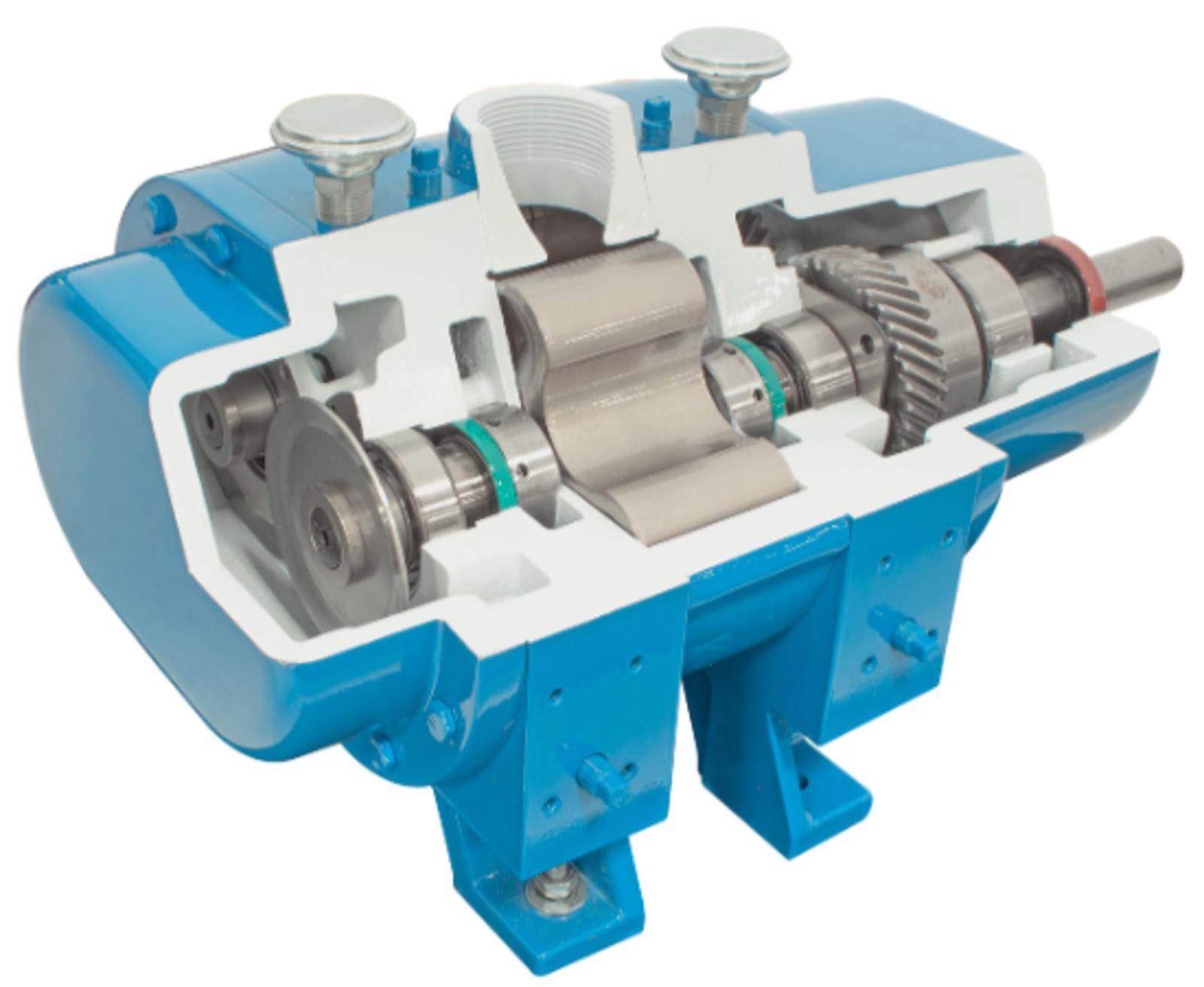
Key Features Overview
CP Series Blowers
- Triple lip seals and magnetic drain plugs to extend the life of seals and bearings.
- Double-row ball bearings and cylindrical roller drive shaft bearings for up to 50% longer life.
- Precision helical gears to reduce backlash and mechanical noise.
- Option of metric drive shaft and process connections.
- Dual oil splash lubrication for better heat dissipation and longer bearing and seal life.
- Tri-lobe rotors and specially tuned housing to reduce noise in some models.
Equalizer RM
- Precision helical gears to reduce backlash and mechanical noise, with a keyed interference fit to prevent slippage and timing loss.
- Single-piece cast iron housing to ensure alignment and maintain operating clearances.
- Precision machined, dynamically balanced ductile iron rotors with large integral shafts to prevent impeller clash.
- Option of metric drive shaft and process connections.
PD Plus
- Suitable for high-pressure air applications like pneumatic conveying, with vented seal areas for oil-free air.
- Ideal for closed-loop pneumatic conveying and up to 100 PSIG pressure, with vent openings to prevent gas leakage and enable inert gas purging.
- Features mechanically sealed drive shafts and plugged oil sumps for superior leakage protection.
- Standard construction includes cast iron and ductile iron, with optional materials like stainless steel, carbon steel, and Bi-Protec® coating.
- Testing includes ASME PTC-9, hydrostatic testing to 150 PSIG, pressure gas testing to 100 PSIG, and seal leakage testing.
- Vertical flow models have cooling coils for high-performance applications, minimizing water use.
Qx Series
- Qx blowers use precision helical gears for quieter operation.
- Larger bearings than competitors for up to 200,000 hours of bearing life, with double-ball bearings on the timing gear end and single roller bearings on the drive shaft end.
- Equipped with oil lubrication on both ends, featuring easy-to-view sight glasses for quick maintenance.
- Standard piston ring labyrinth process/oil seals for high efficiency, with vented oil chamber for oil-free air.
Applications for Roots Blowers and Rotary Lobe Blowers
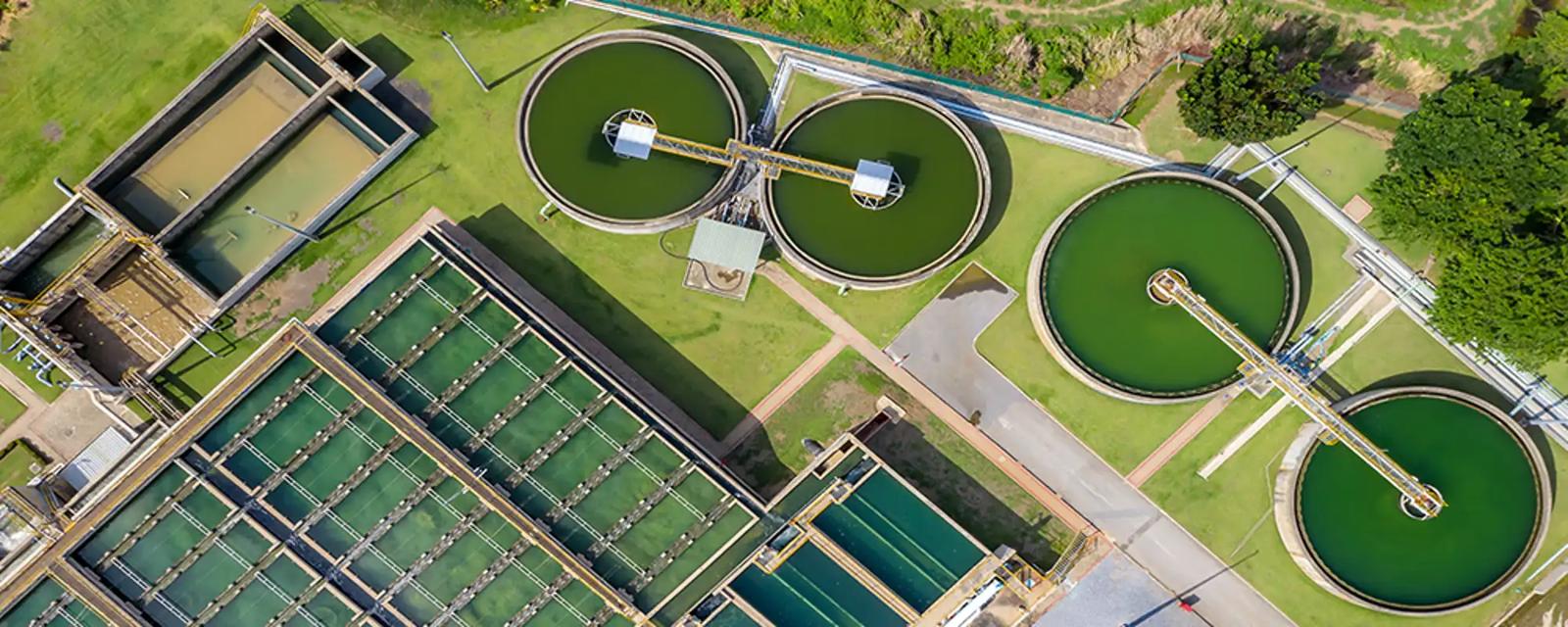
MD Pneumatic blowers and rotary lobe blower technology are widely used for wastewater aeration, pneumatic conveying, and general industrial boosting because they provide consistent flow and straightforward serviceability. Depending on the design, units may be configured for bi-rotational operation, multiple porting arrangements, and different seals for air or process gas. This flexibility can help plants standardize spares such as bearings and seals while tailoring each blower to the application. Reliability is supported by mechanical simplicity: two timed rotors rotate without internal contact, and the timing gears keep the lobes synchronized. With proper inlet filtration and oil management, this approach helps deliver dependable execution in demanding manufacturing workflow.